Keys to Parenting in West Los Angeles
November 2nd, 2026
Jim and Sue Knight share practical wisdom, honest stories, and hope for the adolescent years.

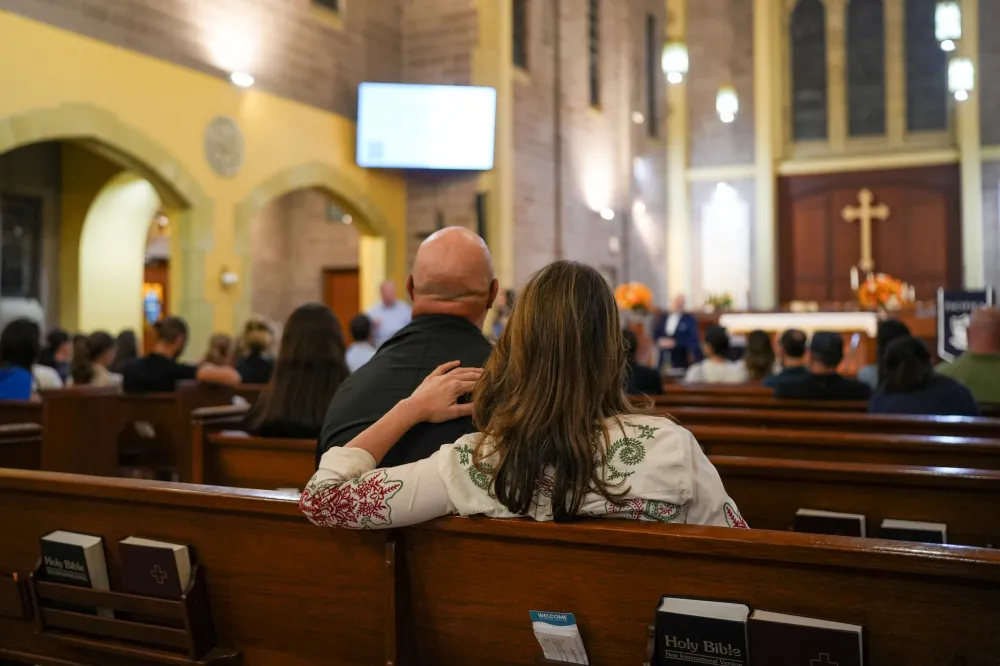
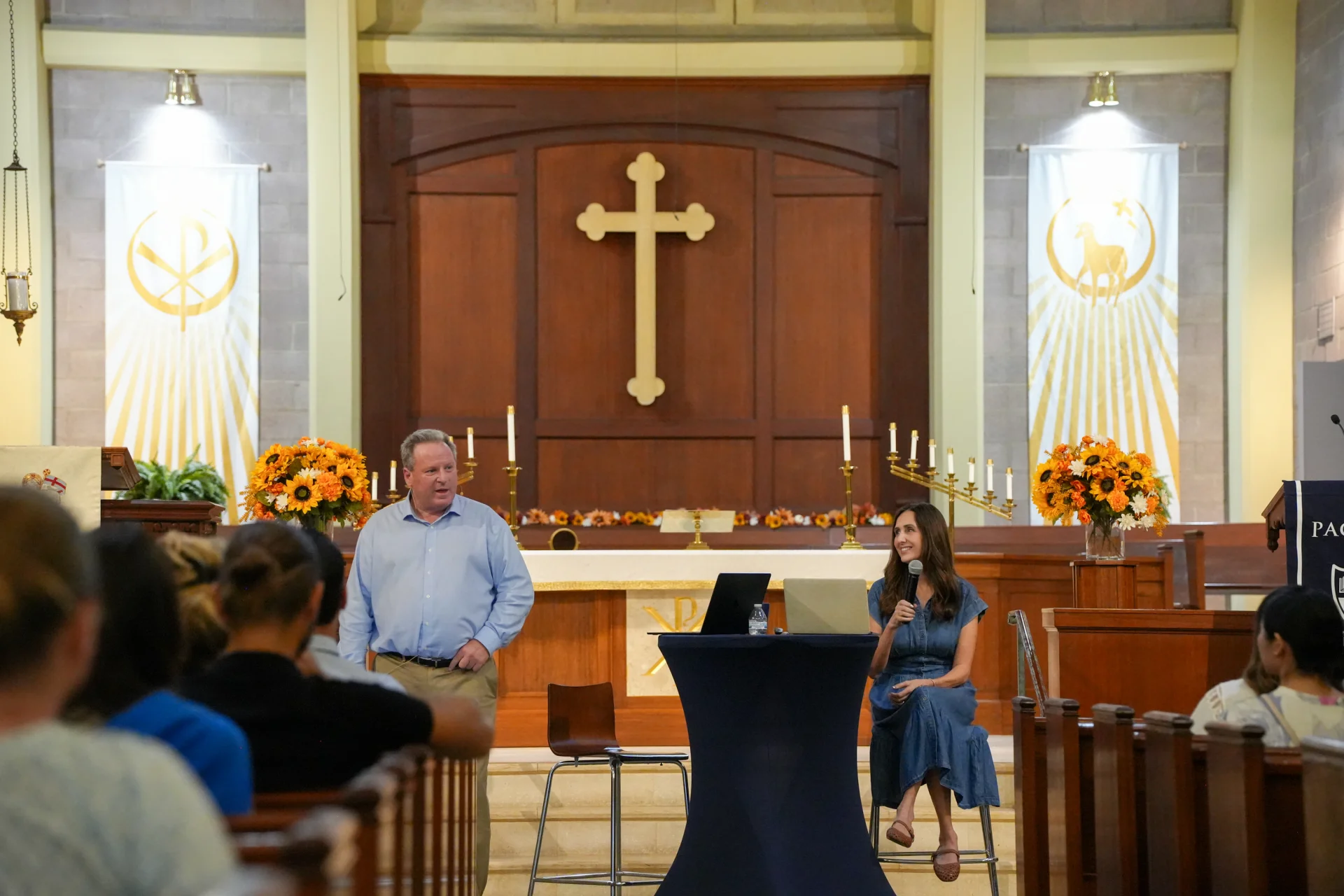
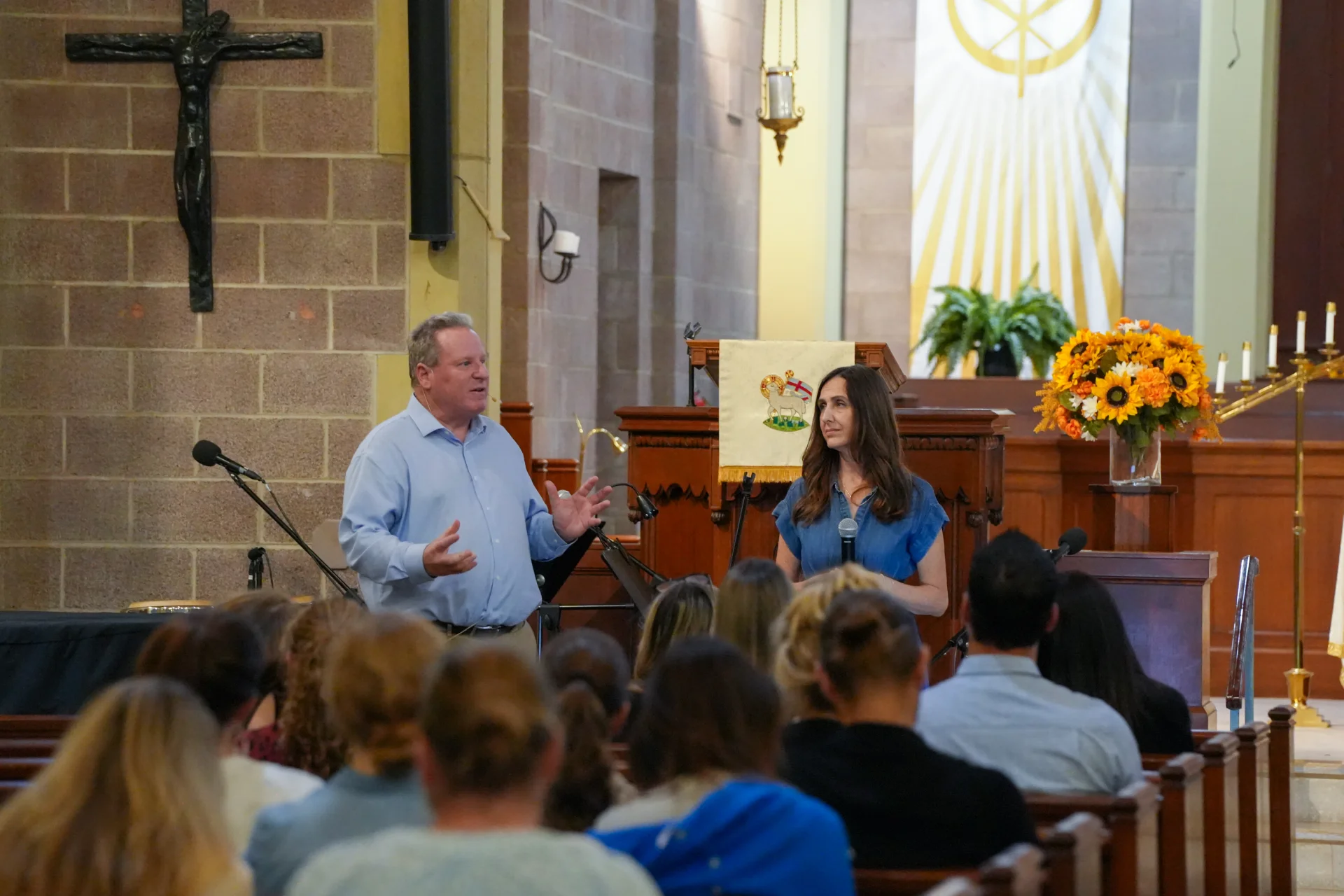
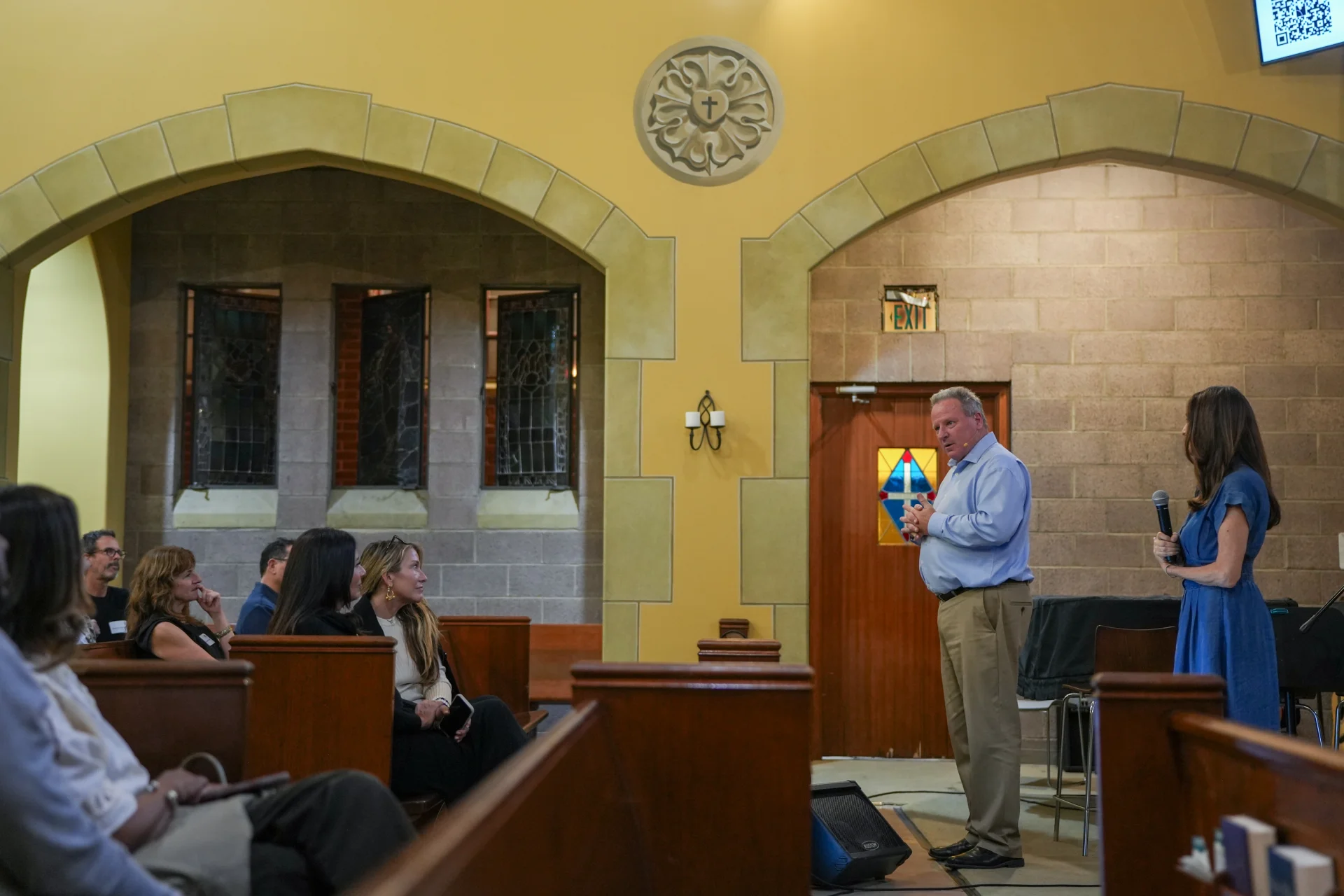
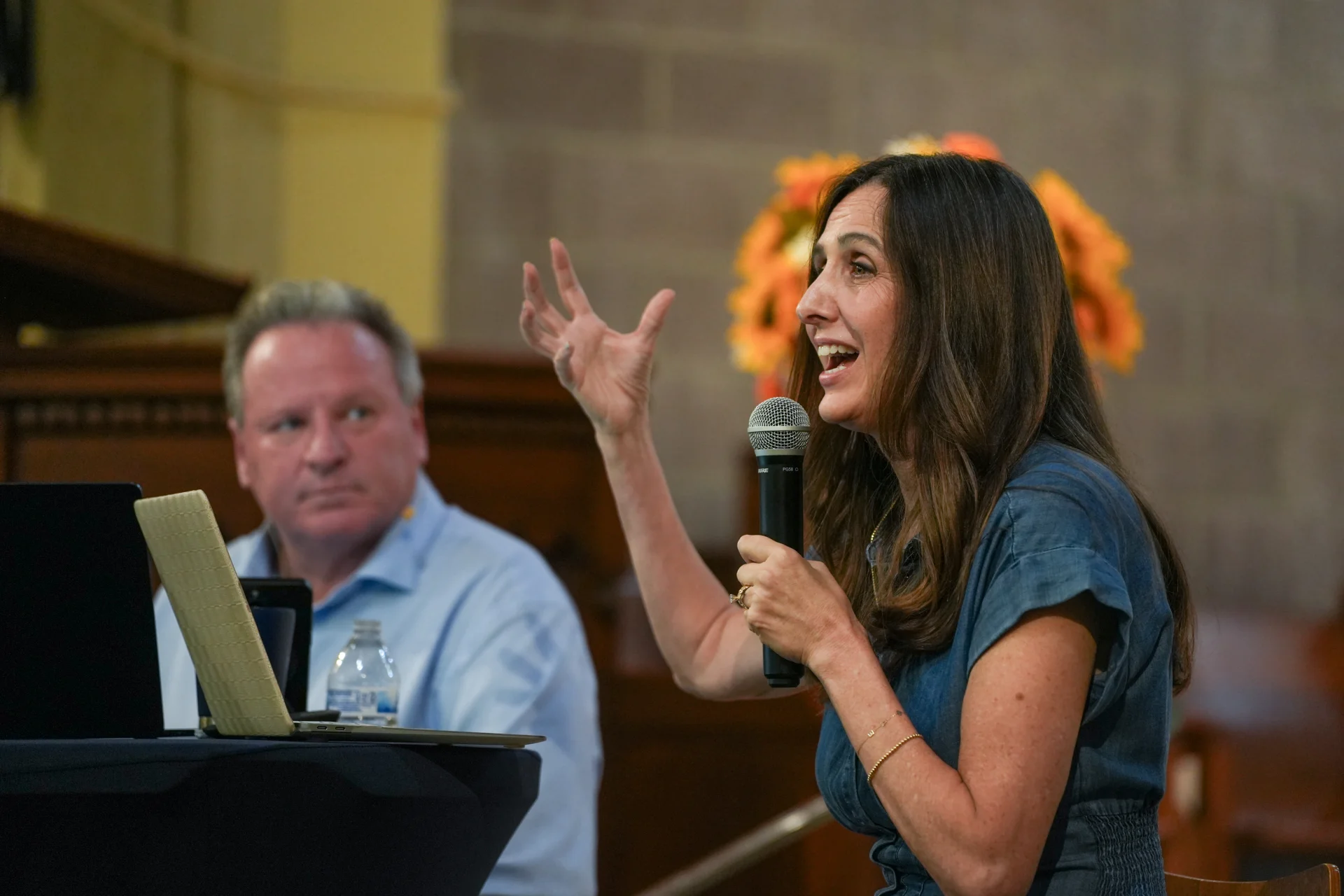
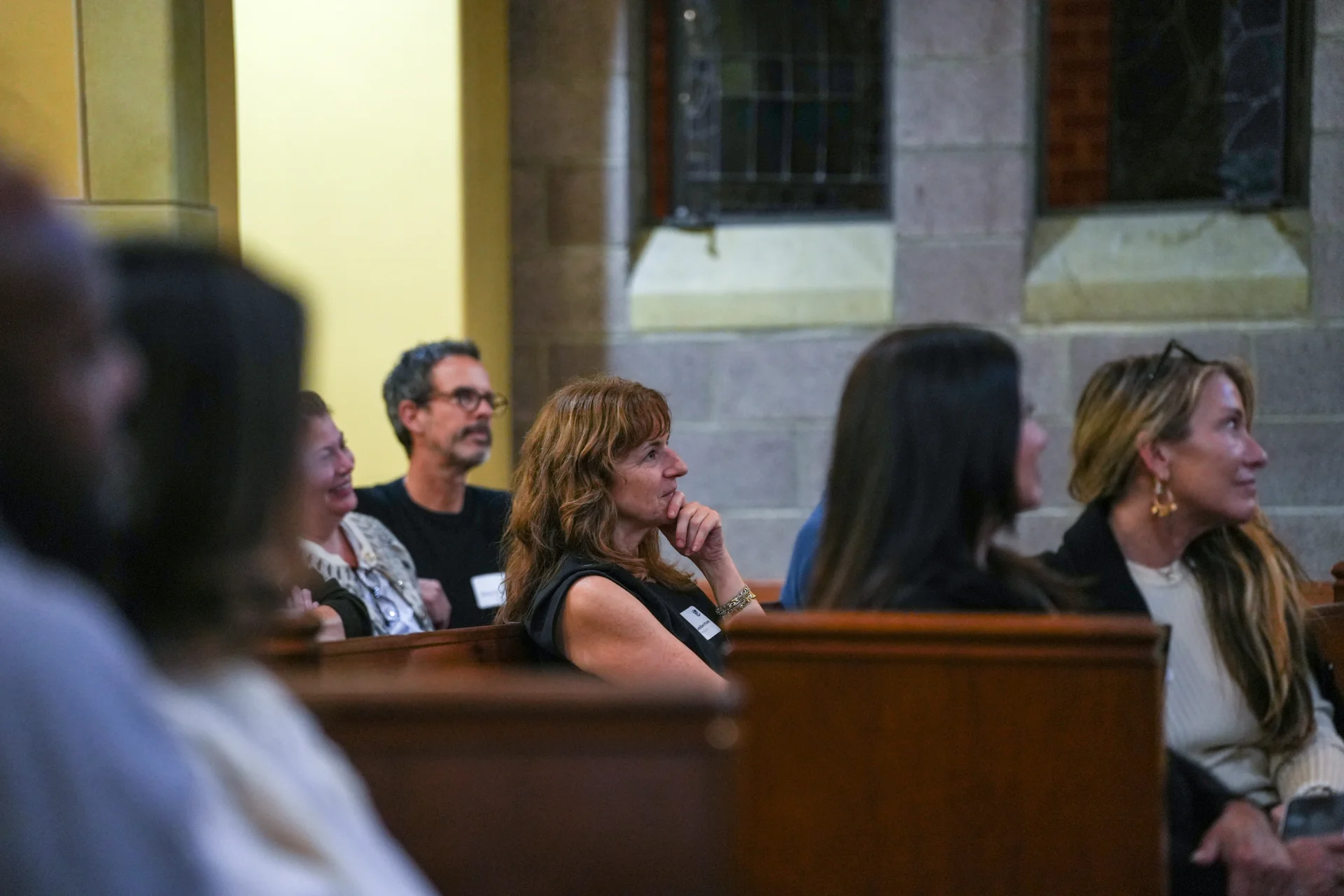
On October 28, parents gathered at Pacifica for an evening with Jim and Sue Knight about raising teenagers in West Los Angeles. Drawing on over 40 years in education, 38 years of marriage, and their experience raising four children, the Knights shared stories of success, mistakes, and growth. Their encouragement was clear: adolescence can be turbulent, but parents can guide their children through it with confidence, patience, and hope. Teens are a joy and can rise to become courageous, confident men and women with vision, humility, strong faith, and character.
The evening began with a picture of the adolescent journey: moving from innocence to interdependence at an appropriate pace. Young people need increasing freedom and responsibility while remaining connected to people who love and guide them.
Too much freedom, too soon, can leave teenagers navigating choices they are not prepared to make. Too much control can leave them unprepared to manage life when those restrictions disappear. Can teenagers make good decisions? In a sense, the answer is both no and yes. Their judgment is developing, and they need opportunities to practice using it. This is where parents provide guidance, gradually expanding responsibility as their children grow.
Every child is different: some need more guidance, while others are ready for greater freedom. Knowing your child is key. The invitation is to persevere—to help carry the load without taking it over, offering wisdom, patience, love, and enthusiasm as they learn to shoulder responsibility themselves. Our children are gifts, and walking alongside them through adolescence is a privilege worth our steady commitment.
Teenagers face unfamiliar situations and try things for the first time. Beneath their confidence may be fear they struggle to express. They may not say they need help, yet still need loving adults nearby. Parents have fears, too. Recognizing that shared uncertainty can help families approach one another with patience.

Today’s adolescent landscape adds complexity. Seemingly unlimited choices can become overwhelming without a vision for using freedom well. A 24/7 identity cycle invites constant comparison and reinvention, while the nonstop news cycle brings the world’s troubles into teenagers’ hands. Jim and Sue encouraged families to protect time for rest, reflection, and presence—and to remind children that their deepest worth comes from being made and loved by God. Their identity is something to be received, or inherited from God and family, not simply achieved by self-effort.
Another reminder offered reassurance: tension is not rejection. Questioning, withdrawal, and emotional intensity can accompany growing independence. Home may be where teenagers release what they have held together all day. Parents often see their children’s most honest, unfiltered selves because home is where they feel secure enough to let their guard down. At home, they know they won’t be abandoned and will be loved. Outside the home, showing their true selves and honest emotions could come at the price of losing friends and community.
The Knights encouraged parents to play the long game. Growth rarely follows a straight line. Expect surprises, remember your own adolescence, and resist treating every setback as a verdict on your child’s future. When things go wrong, stay calm, manage your emotions, draw close, and listen. The ups and downs are part of a journey through which young people can mature and flourish.
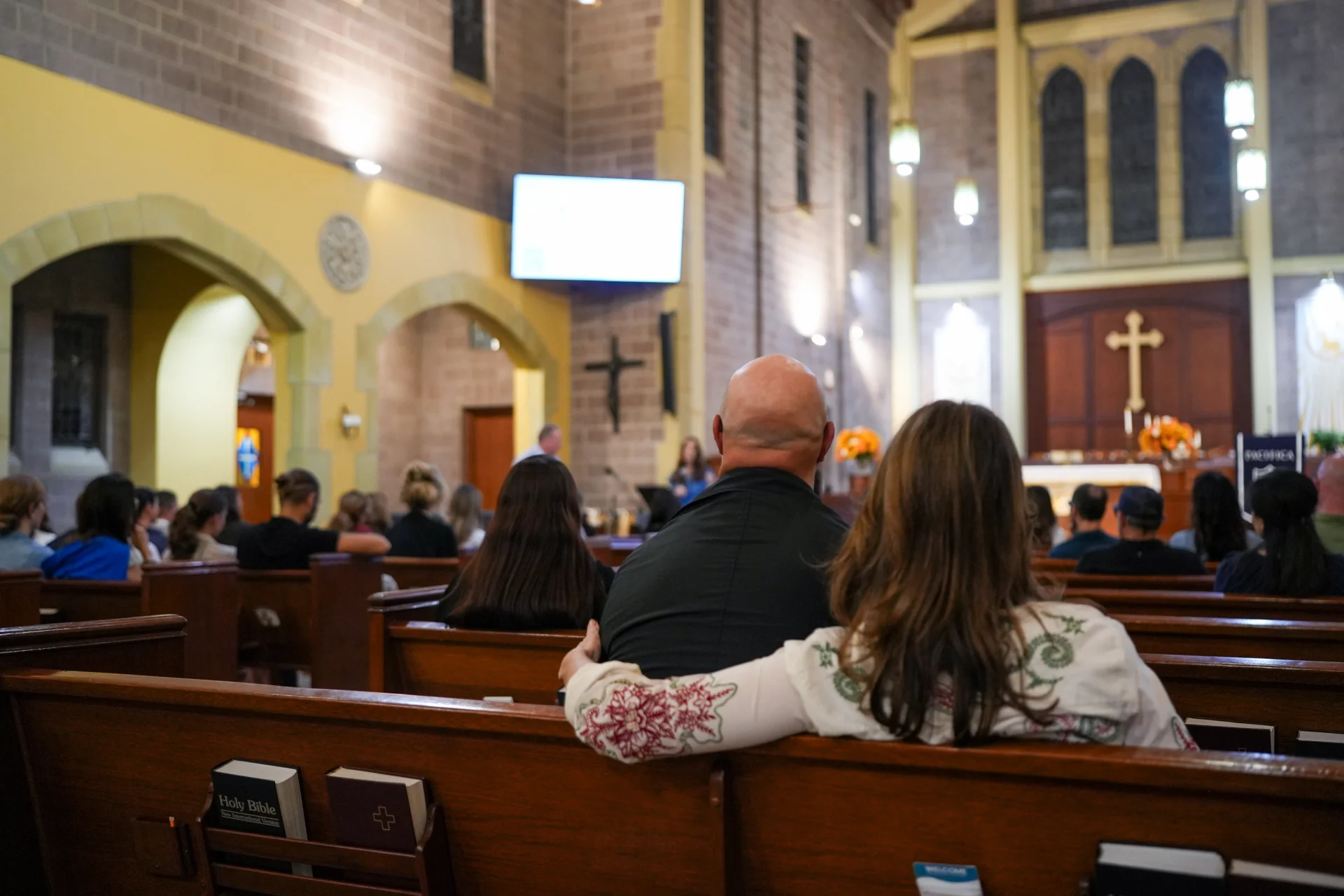
Connection before correction was a practical theme. Expectations, achievement, responsibilities, and correction all have an important place. But if every conversation focuses on grades, achievement, or unfinished tasks, parents can miss who their children are by concentrating on what they do rather than who they are. Do we want our kids to remember our voice as an employer barking out orders? No wonder they hide in their rooms. Or will they remember the wise voice of a parent who spends time listening, connecting, setting expectations, and doing the right things when things are hard? We are not just friends or adults; we are adults building a lifelong friendship with our children. The Knights call it the path to adult friendship. They have their own friends. In adolescence, they need good parents who draw them in and love them enough to tell the truth.
Their alternative to being their boss was “couch time”: sitting together without an agenda or a demand for conversation. Instead of repeatedly asking, “How was your day?” parents can share about their own day or ask their spouse about theirs within earshot. That exchange gives teenagers language and a natural opening to join in. Sometimes connection begins by simply spending unhurried time together.
The Knights also emphasized surrounding children with other quality adults. Grandparents, aunts, uncles, family friends, teachers, and coaches reinforce family values, offer accountability, and help young people imagine meaningful adult lives. When your kids look at your extended circle in your family orbit, they should say “my parents are right.” The other adults around them are leading quality lives of meaning and purpose and that points to you and your own growth as parents. These “other adults” not only provide great things for your kids; they also confirm your parenting and who you are in front of your children.
Such relationships require intention. Travel together. Share meals. Meet regularly. For 33 years, the Knights have gathered on Sunday evenings with a group of five families whose children have grown through adolescence into adulthood. Amid Los Angeles’ busyness, they have maintained that commitment to friendship, accountability, and prayer. The sacrifice has strengthened their faith, marriages, families, and working lives. Their children regard these adults as “additional parents” who know, love, and care for them. Their invitation to others was simple: find people to do life with. Don’t do life alone on the Westside.
For married parents, nurturing the marriage remains essential. Children are deeply loved members of the family, but placing them above God and spouse can crowd out the relationship that helps sustain the home. When children are born, they enter an already established family with routines, traditions, and a rhythm. They are not the center of the family but part of it. Keep it that way. A strong marriage gives children a daily picture of commitment, forgiveness, and joy. Single parents likewise need sustaining friendships and community.
Throughout the evening, faith provided the foundation: wisdom, self-control, perseverance, strength for marriage, and an eternal perspective. As parents cultivate lives of faith and joy, they offer children something attractive to grow toward. Adolescence holds real challenges and extraordinary possibilities. With guidance, connection, and community, families can move through these years with hope.






Categories
Recent Articles
- 11/2/26Keys to Parenting in West Los Angeles
- 10/28/26Summer Faculty Development: Katie Savage and Hilary Miller's Summer Writing Retreat
- 10/23/26From College Lecture Hall to AP Classroom: Isa Uggetti Erazo's Summer Institute
- 10/20/26Flying Seawolves Take Off: Pacifica Hosts the 4th Annual Drone Tournament
- 10/19/26Seawolves Rising: A Fall of Championships, Determination, and Memorable Finishes
- 10/16/26Free Will in Discussion: “God and Science” Series Launches
 Inquire
 Apply
 Give