
“To sit alone in the lamplight with a book spread open before you, and to hold intimate conversations with men of unseen generations—such is a pleasure beyond compare.”
These words were written by Kenkō, an 11th-century Japanese monk. Books carry us beyond the limits of our own time and place and invite us into conversation with the greatest minds of the past. Through them we learn to question, to empathize, to wonder, and to think more deeply about the world and ourselves.
At Pacifica, our students experience this kind of intellectual formation every day in their English, History, Language, and Philosophy classes. Now, we want to extend that same joy to parents.
Join a Pacifica teacher and, more importantly, a great writer of the past as we gather to explore enduring ideas and discover what they might teach us about living wisely and faithfully in Los Angeles today.
The Pacifica Parent Book Club invites fellow Pacifica parents to read, reflect, and engage in meaningful conversation around books that explore faith, philosophy, culture, and the human experience. Each gathering will center on a selected book and offer an opportunity for thoughtful discussion and connection with others in the Pacifica community.
Choose Your Club
The Pacifica Parent Book Club is offered in four sessions throughout the year: Fall, Winter, Spring, and Summer. Parents may register for one session or join us for multiple.
Fall Book Club | September 9-October 7 (5 weeks)
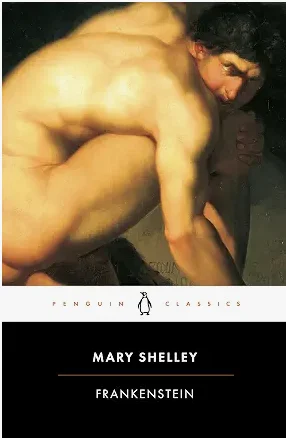
Frankenstein by Mary Shelley
The first time I read Frankenstein, it was as an adult who was tasked with teaching it the next year. I was… not excited. If you’ve never read this novel, perhaps you suffer from the same misconceptions that I once did: that it is a “monster” tale inthe most cheesy, Universal Studios sense of the word. I’m happy to report that it is not. Since my first read so many years ago, I have loved this beautiful book. Its depth and compassion ring through every page, and it is one that students enjoy every year. It helps us consider the nature of God, the limits that we should or shouldn’t put on scientific exploration, the way we treat the outcast, and what we sacrifice on the altar of ambition and ego. For our time together, we will have many of the same discussions I have in class with your kids. I will bring in activities and poetry and articles that will help us understand what Mary Shelley was up to, and we will even think about how the current pop-culture renditions of the big green monster align (or don’t) with the version given to us in the novel. I hope you’ll join us this Spooky Season!
Led by Katie Savage, English Teacher My favorite thing about teaching English is when I come into a classroom, and students can’t wait to tell me their reaction to last night’s reading. I love writing and have two published books of my own, and my favorite way to spend my time is a warm night at the beach with my husband and two kids.
B.A. Point Loma Nazarene University; M.F.A. University of Kansas
Winter Book Club | january 6-February 3 (5 weeks)
An Enquiry Concerning Human Understanding by David Hume

David Hume is one of the most important philosophers of the Enlightenment. Without his provocative insights into the nature of empiricism, Immanuel Kant may never have written a single word of his philosophy, and today’s philosophical thinking would be much impoverished. Hume’s Enquiry Concerning Human Understanding is a small book, but it carries a surprising amount of intellectual weight. In this book, we learn about the empirical nature of knowledge, the contingency of causation, the irrevocability of the laws of nature, the impossibility of miracles (?), and much more. Come see why today’s philosophical thinking on the big topics of life is divided between “Neo-Humean” and everything else by reading through David Hume’s masterpiece.
Led by Stephen Roberson, Director for the Pacifica Center for Philosophy & Theology I love teaching students about philosophy as I get the opportunity to see their world become a little larger. Helping students to navigate the complexities of the world and their faith through critical thinking and engagement with important ideas is a privilege for me as a teacher. When I am not teaching, I enjoy reading, playing and watching soccer (Go Chelsea FC!), and spending time with my friends.
B.S. Columbia International University; M.A. Talbot School of Theology, Cook School of Intercultural Studies
Spring Book Club | April 14-May 12 (5 weeks)
The Odyssey translated by emily wilson
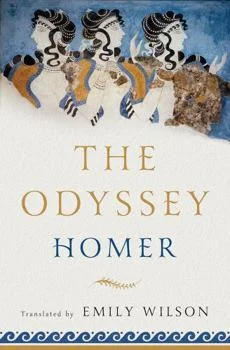
The Odyssey is the foundation of Western literature, but it does not endure because of its monsters or clever battle tactics (as much as I love a Trojan Horse). It endures because of its themes. Unlike many Greek heroes, Odysseus is not driven by a desire for glory. He rejects immortality and endures suffering in pursuit of an ordinary but profound goal: he simply wants to go home.
Whether you’re reading The Odyssey for the first time or returning to it after years away, I think you’ll be surprised by how punchy and relevant the epic remains. We will discover symbols and conventions that have shaped the stories we love today, and we will be invited to consider what it means to be a good leader, how to move forward in the face of grief, and how we faithfully find our way back to what matters most, even when life has changed us.
Led by Hilary Miller, Director of Faculty and Academics I’ve loved stories my whole life. Every year I teach, I get to rediscover stories through students’ eyes. The gasps at the end of Gatsby, the anger towards Medea, and the love for (or intense dislike of) Thoreau—those moments make teaching worthwhile. While not at school, I write screenplays, walk my dog (Lloyd Christmas), and start crafts that I may or may not finish.
B.A. Indiana University; M.F.A. Pepperdine University
Summer Book Club | june 16-july 14 (5 weeks)
The Screwtape Letters by C.S. Lewis
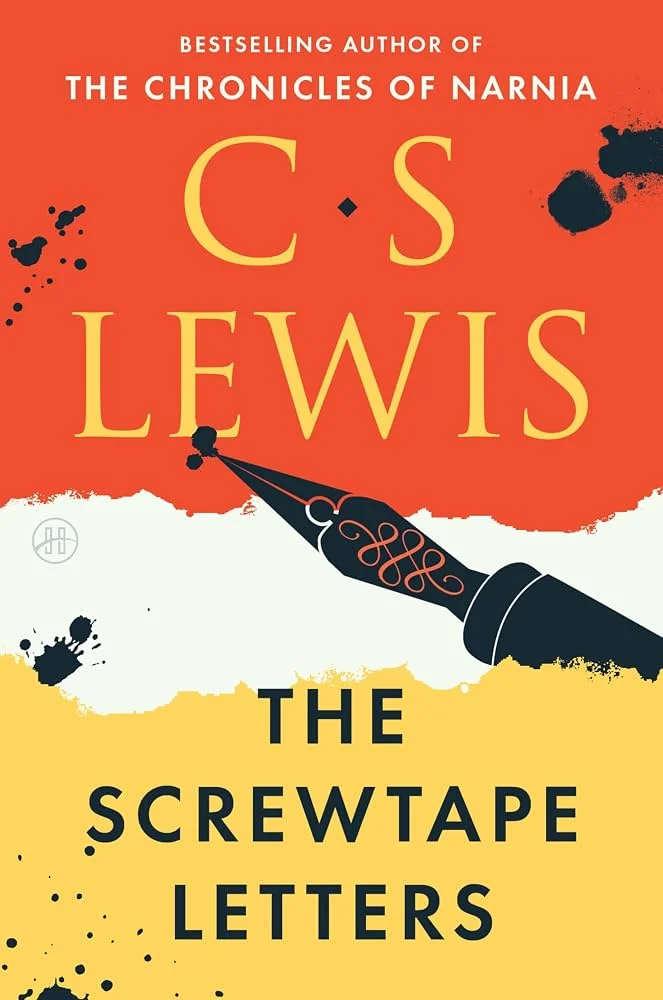
The Screwtape Letters is a satirical Christian classic written as a series of letters from a senior demon, Screwtape, to his nephew Wormwood.
Through these letters, Screwtape coaches the younger demon on how to subtly draw a human (“the patient”) away from God—not through dramatic evil, but through distraction, comfort, pride, self-deception, and spiritual complacency. As the story unfolds, readers gain insight into temptation, human nature, spiritual formation, and the quiet ways people drift from truth. By reversing perspectives, Lewis reveals how ordinary habits and choices shape a life toward either God or away from Him. Ultimately, the book is a compelling invitation to live with intentionality, humility, and deeper faith.
Led by Jim Knight, Head of School Partnering with students, staff, and parents on the Westside has been filled with great meaning and purpose. There is joy in seeing students filled with curiosity and energy grow into the person God desires. I love the beach, any sporting event, all 37 Shakespeare plays, and cooking for family and friends. Les Miserable is my favorite musical, 2460ONE is my license plate, and Switzerland is my home away from home.
B.A./M.Ed. University of California, Los Angeles; M.A. Pepperdine
 Inquire
 Apply
Apply Give
Give