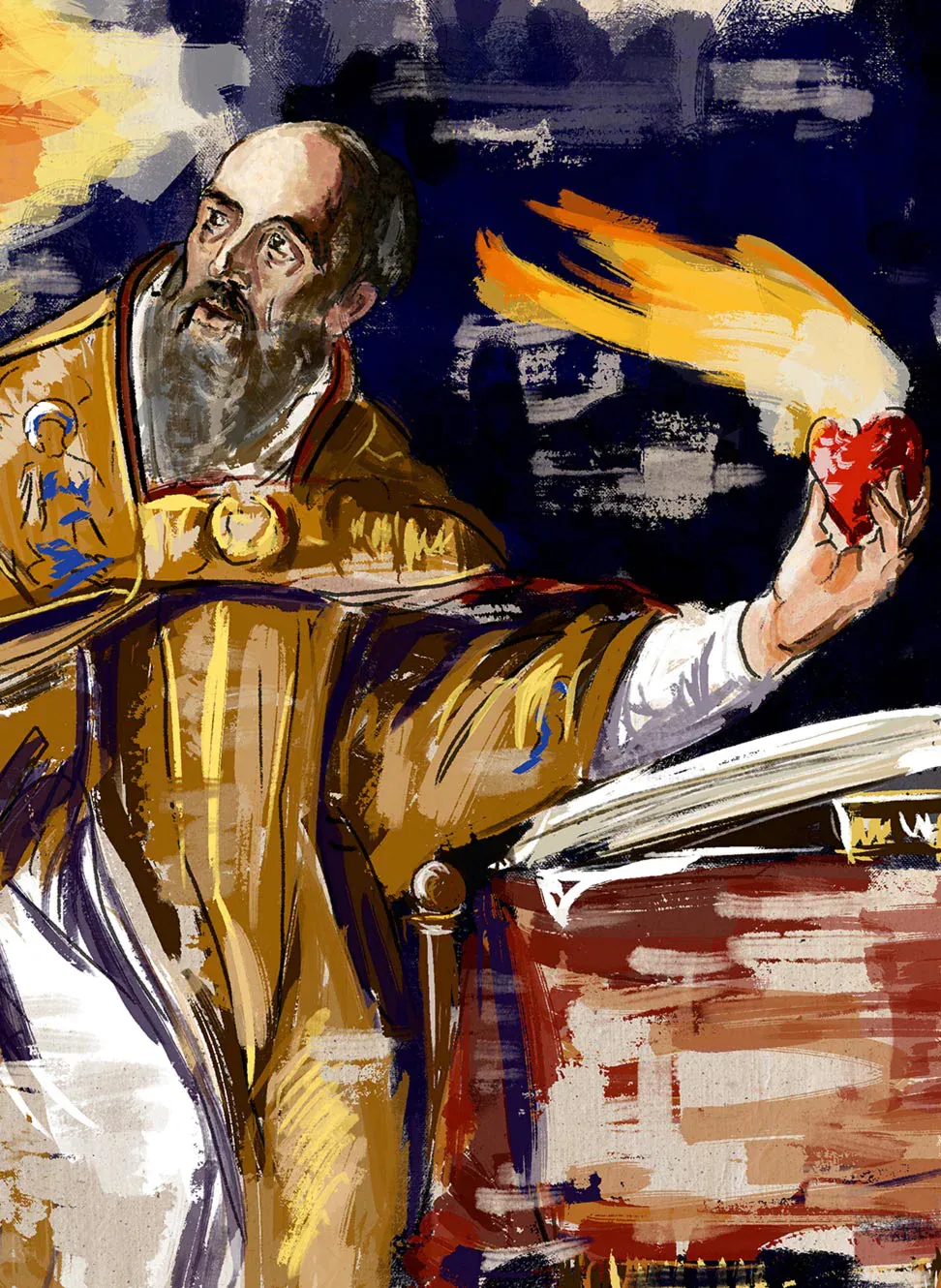
God & Science: Bringing Together What is being Torn Apart
September 17th, 2026
Stephen Jay Gould, the Harvard paleontologist and science popularizer, put forward in his book Rocks of Ages a "blessedly simple" resolution to the "supposed conflict between science and religion." The solution? Gould called it "non-overlapping magisteria" (NOMA for short).
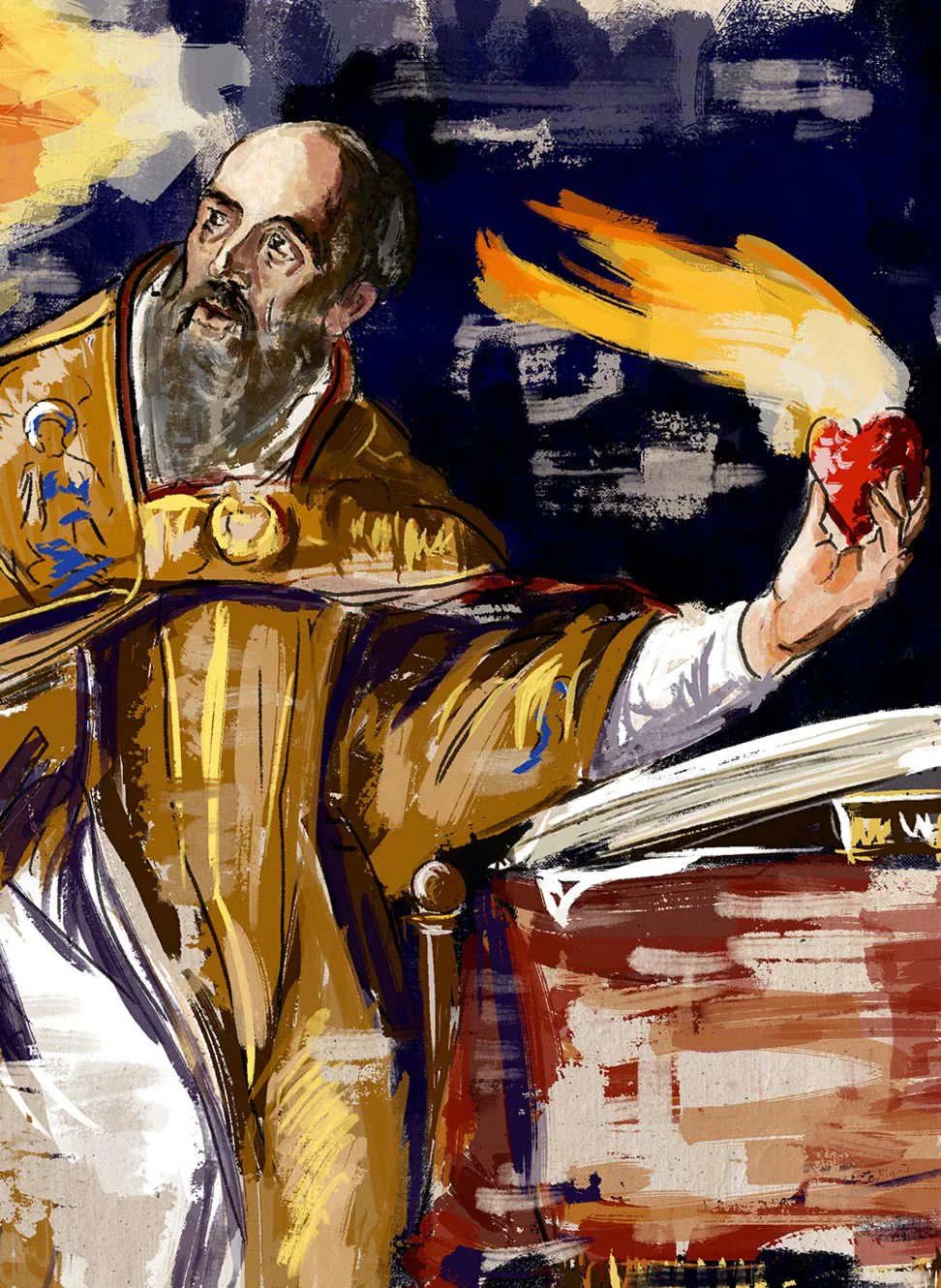
What Gould intended by this blessedly simple resolution was to set a boundary line between two domains of knowledge, each domain being called a "magisterium": science and religion. Science has the language and tools to meaningfully talk about the empirical realm. Religion has its own language and tools to meaningfully talk about ultimate meaning, values, and God. The conflict between the two domains was dissolved by realizing that neither science nor religion overlaps with the other in any way. Science has nothing to say to religion, and religion has nothing to say to science. They live in harmony because they live, like an emotionally distant married couple, in separate rooms of reality.
Gould's solution ought to be seen as a step forward in the dialogue between science and religion. The "conflict thesis"—the idea that science and religion are intrinsically and inevitably in conflict, and have been so historically—still seems to have advocates. These range from popularizers like Neil deGrasse Tyson and Bill Nye the Science Guy to science practitioners like Sean Carroll and Sabine Hossenfelder. Given that, some rapprochement is welcome, even if it comes at the cost of a cold silence between the two.
 However, the Christian faith and the history of science have never held that the empirical realm is silent on questions of ultimate meaning. Nor have they held that God as creator makes no impact on how we view the world. The Bible declares that "The heavens declare the glory of God; the skies proclaim the work of his hands" (Psalm 19:1). And the Apostle Paul speaks of God's invisible qualities being known through the natural world, because it bears the distinct signature of his design and creation (Romans 1:20). Furthermore, early scientists like Isaac Newton, Johannes Kepler, and Galileo Galilei constantly looked to what they called "the book of nature," because there they could read the writing of design. Newton himself writes in his Principia Mathematica—the high-water mark of mathematical reasoning in the Scientific Revolution—that "This most beautiful system of the sun, planets and comets, could only proceed from the counsel and dominion of an intelligent and powerful Being…" Gould may prefer a cool silence between science and religion. But the Bible, Christian history, and the early scientists will not have it.
It is with this intellectual background that the Center for Philosophy and Theology at Pacifica Christian High School, Santa Monica, is taking up the theme of God and Science for our speaker series this year. Our goal is to explore bringing together what our society sees as torn apart: science and religion. To that end, our students will be engaging in their classes. But they will also take part in special, select student seminars with great thinkers who will challenge them to bring these non-overlapping magisteria together again, so that they form a unified whole. Creator and creation; God and nature; science and religion—again in conversation, not as enemies but as friends.

Categories
Recent Articles
- 09/17/26God & Science: Bringing Together What is being Torn Apart
- 09/14/26Come. Experience. Discover Pacifica.
- 09/13/26The 22nd All-School Retreat: Young Life's Lost Canyon
- 09/13/26The Minchin Center Hosts Alec McNayr
- 09/11/26Remembering September 11th: 25 Years Later
- 09/9/26Pacifica Parent Book Club Launches
- 09/8/26Meet Ryan Tahbaz, Spanish Teacher and Soccer Coach
- 09/3/26Heroes Assemble: Marvel vs. DC at This Year's All School Retreat
 Inquire
 Apply
Apply Give
Give