The Long Way Home: A Letter to Pacifica Families and Students on 2026-27 Changes
August 14th, 2026
Dear Pacifica Families,
I spent a good part of this summer in the company of a man trying to get home.
Over the month of June I read The Odyssey straight through, not in excerpts the way most of us met it in tenth grade, and then went and saw it on the big screen. What struck me this time wasn't the monsters. It was the ache. Odysseus had every reason to stay put. He was offered comfort, ease, even immortality. He wanted his own rocky, unimpressive island instead.
The Greeks had a word for that: nostos, the homecoming. Pair it with algos, their word for pain, and you get a word we still use: nostalgia. Literally, the ache to get home.
I want to be careful here, because nostalgia has a bad name in education. It usually means an adult insisting that things were better when they were young. That is not what this letter is about. But there is a sturdier version of the word, the one Homer meant, and it describes where our faculty landed after a long year of asking hard questions about how our students are actually doing.
This year, Pacifica is going home.
If you were in high school in the 1990s, a good deal of what your student describes at dinner this fall is going to sound familiar to you. That is on purpose. Three changes, and the reasoning behind each.
1. Dressing for the Work
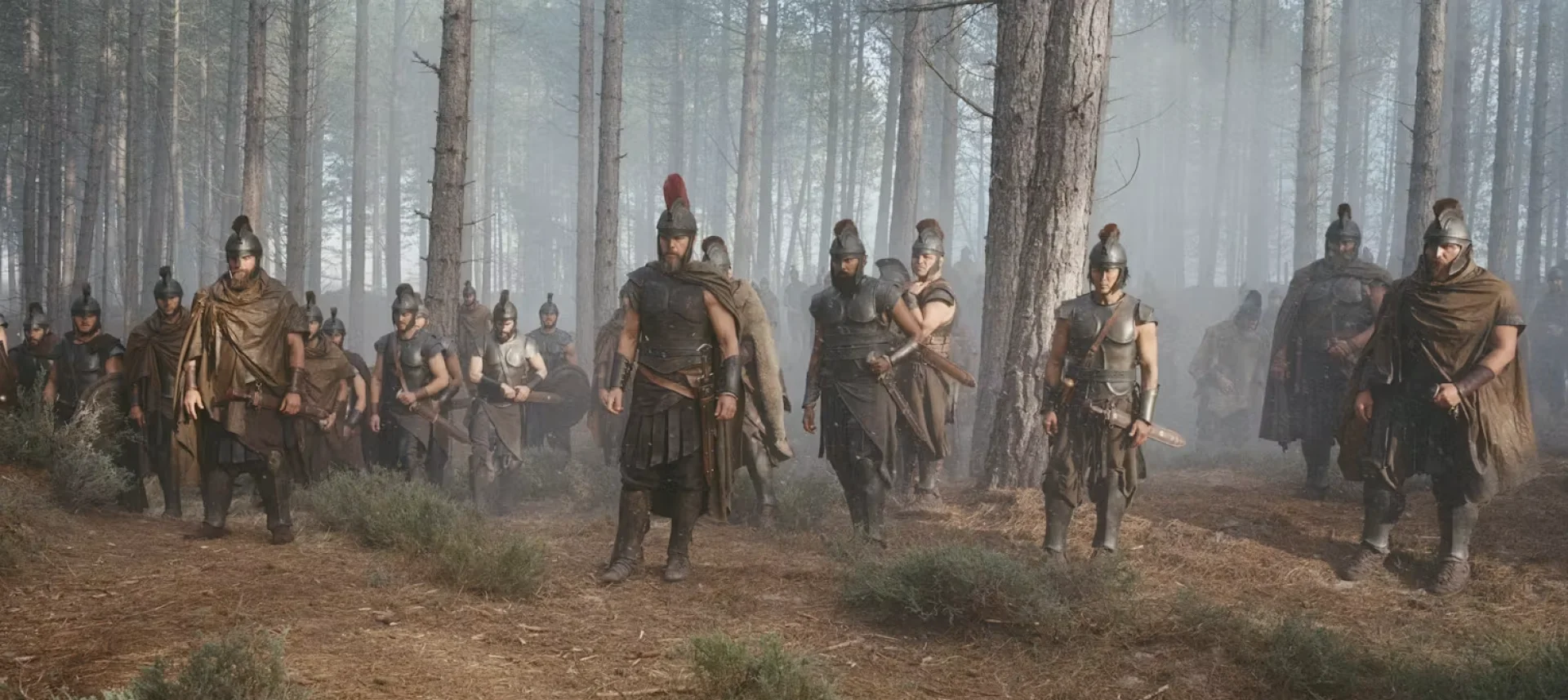
Beginning Wednesday, August 19, students will wear Pacifica polos Monday through Thursday, with spiritwear on Fridays. This is not a new idea for us. It is what we did before 2020, and we are picking it back up.
Homer never lets a hero go into anything important without telling you what he put on first. The armor, the cloak, the sandals. It is never decoration; it is a signal about what is about to be asked of him.
Clothes tell us what kind of room we are walking into. Students who dress for class are, in a small and undramatic way, agreeing that class is a place where something is expected of them. It also quietly removes a daily social calculation that no fifteen-year-old needs before first period.
2. Binding Ourselves to the Mast
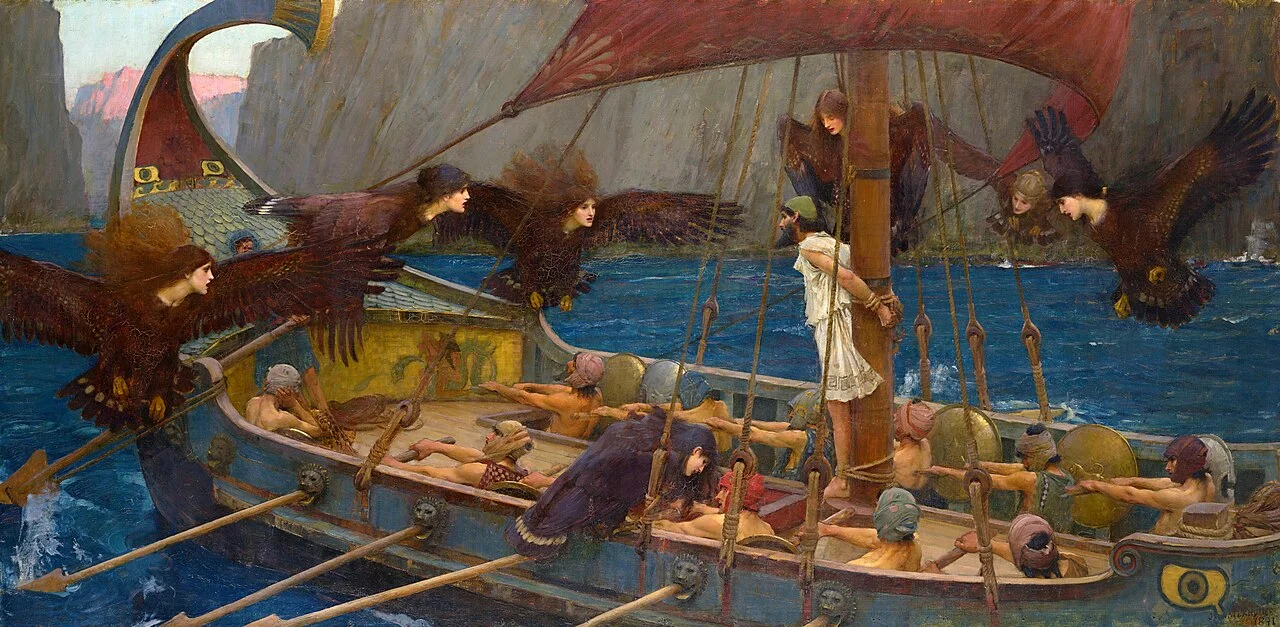
Beginning that same morning, Pacifica will be a phone-free campus, bell to bell. We will be using a system called NuKase: a hard-shell locking case. Students secure their own phones each morning and carry them, locked, throughout the day. Nothing is confiscated. Nothing is stored in an office. At dismissal, students unlock at a station on their way out.
Here is why I keep coming back to Homer on this one.
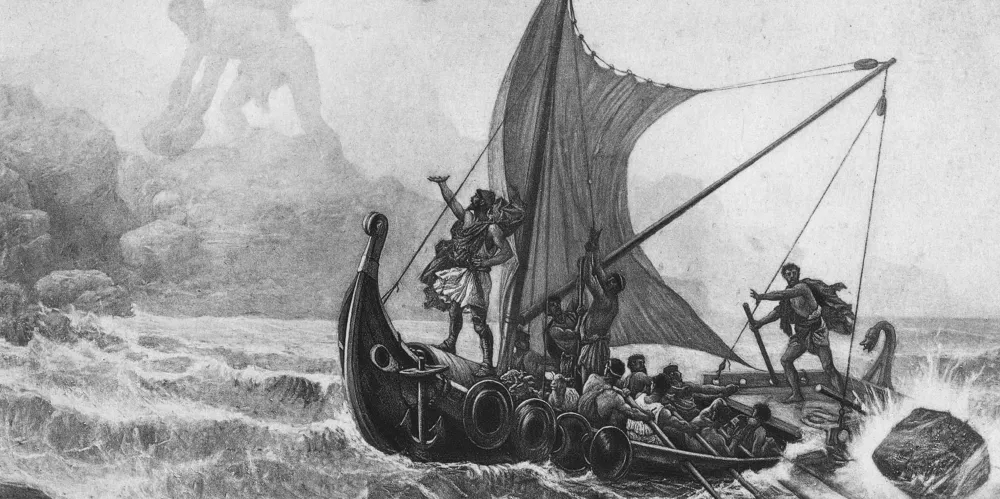
Odysseus wants to hear the Sirens. He knows the song will destroy him, and he wants to hear it anyway. So he does something remarkable: he does not resolve to be strong. He has his crew tie him to the mast before the ship gets close, because he understands that his future self, in that moment, will not be able to be reasoned with.
That is the honest case for phone-free school. It is not a judgment about your child's character. Some of the most disciplined adults I know cannot leave a phone face-up on a table. These devices are engineered by very talented people to be difficult to resist, and asking a fourteen-year-old to win that fight alone, forty times a day, from a pocket six inches from the notebook — that is not a fair fight, and we have watched enough students lose it.
So we are tying ourselves to the mast. Not because our students are weak, but because the song is strong.
Reaching your student during the day: If you have an emergency and need to get in touch with your student, please call the front office at 310-828-7015 and we'll bring your student to the phone. Students can also come to the office to make calls, and they will be allowed to unlock their phones when leaving campus for lunch, off-campus events, and other special circumstances. And if your child needs a phone for use with a medical device or another specific accommodation, please connect with your child's academic counselor so we can discuss how best to support your student.
3. The Long Way Home
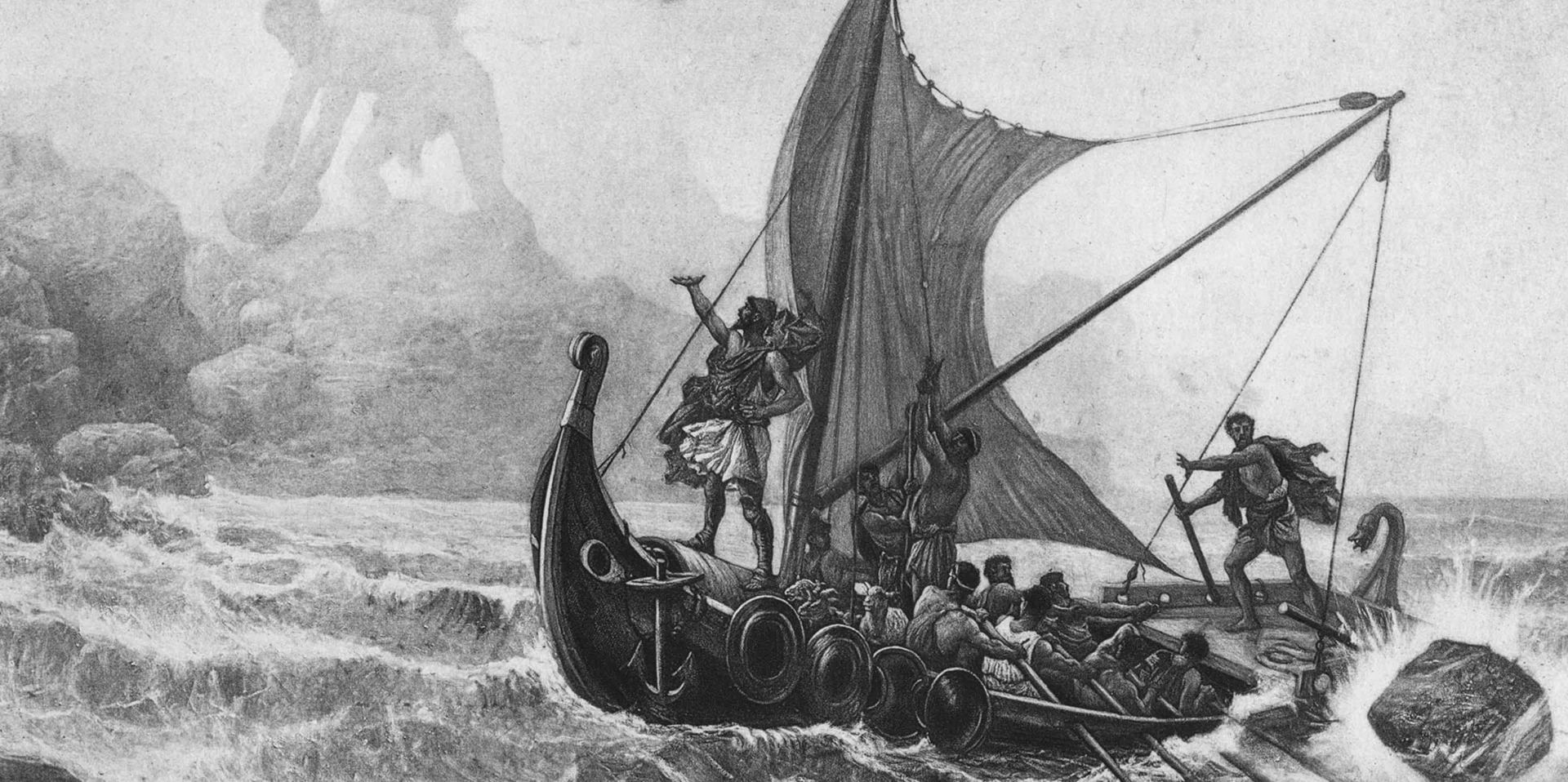
You will see more paper and pencil this year. More writing done in class, by hand. More reading from physical books. Fewer assignments that begin and end on a screen.
Somewhere in the middle of the poem, Odysseus is offered a shortcut. Calypso will give him ease, beauty, and eternal life, and he will never have to make the crossing at all. He turns it down. He wants the harder thing, because the harder thing is the real one. And because the man who arrives at Ithaca is only that man on account of the crossing.
We are living through the arrival of an extraordinary shortcut. I am not a pessimist about it; our students will work alongside these tools their whole lives, and we will teach them to do it well. But there is a narrow and irreplaceable window in which a young person's mind is being built, and it is built the same way it always has been, by struggling with a sentence that will not come out right, by sitting with a problem past the point of comfort, by producing something mediocre and then making it better.
A finished essay is a product. The person formed while writing it is the process. We have decided, deliberately, to spend this year caring more about the second one. That means some assignments will be less polished than what a student could have generated in thirty seconds. We consider that a feature.
What We Are Asking of You
Two things, and I do not ask them lightly.
Expect the discomfort, and expect it to pass. The first two weeks will be the hardest. Some of that resistance will arrive at your kitchen table before it arrives at my office. Schools that have made these changes report the same arc almost universally: real friction early, and then something unexpected — hallways that are loud again, and students who look up.
Tell us what you are seeing. If something isn't working, I want to hear it from you rather than read about it in October. You can reach me at whirsch@pacificachristian.org.
To Our Students
You are going to think some of this is unfair. I would have at your age, and I am not going to pretend otherwise.
So here is the honest version. We are not doing this because we think you are irresponsible. We are doing it because we would like to give you something back that has been quietly taken from most people your age: long stretches of uninterrupted attention, and the particular satisfaction of having done something difficult yourself.
Telemachus spends the opening of The Odyssey stuck, waiting on someone else to fix his situation. Nothing changes for him until he gets up and goes looking. That is the year we want for you. Not comfortable. But yours.
Also: the lunch table is going to be a lot funnier. Give it three weeks.
A Last Word
Odysseus does not return to the same island he left, and neither will we. We are not trying to undo twenty years or pretend the world outside our gates is the one our parents graduated into. That would be sentimentality, and sentimentality is not a strategy.
But it is worth saying plainly that the oldest story we teach here is also a homecoming story, a father watching the road, a son a long way off, and a welcome that was never in doubt. The instinct to return to what is good is not nostalgia in the weak sense. It may be the truest instinct we have.
 We will see you on Wednesday morning, bright and early at 8 a.m. Polo on. Phone locked. Pencil sharpened.
Warmly,
Wally Hirsch
Associate Head of School for Student Affairs
Pacifica Christian High School

 Inquire
 Apply
Apply Give
Give